
Holiday Messes a Steam Cleaner Handles Better Than a Sponge
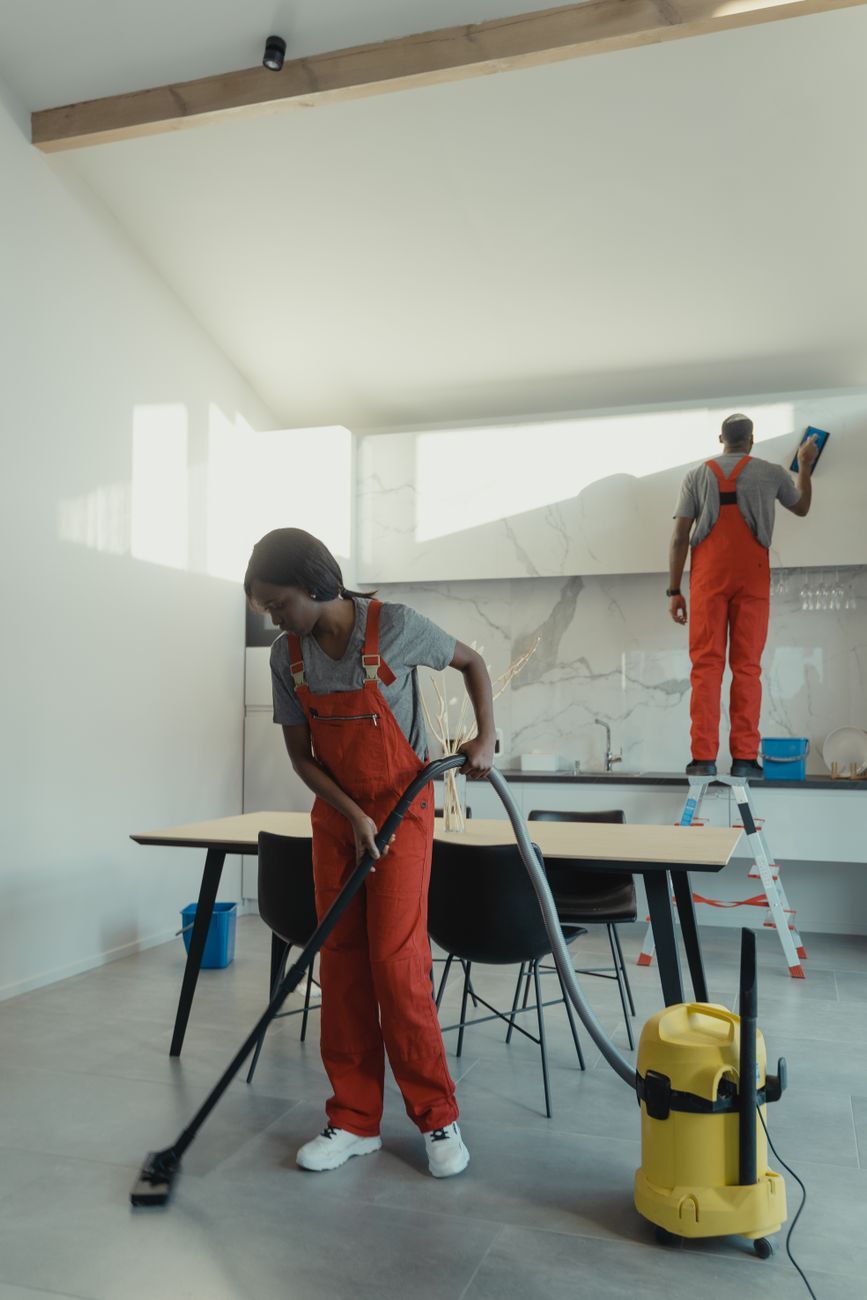
Holiday Messes a Steam Cleaner Handles Better Than a Sponge
The roasting pan has been soaking since Thursday, the grout by the stove has turned gray, and someone set a dripping taper candle on the good tablecloth. A sponge can get through all of it with enough scrubbing, but a steam cleaner handles several of these jobs faster, because heat and moisture soften what a sponge has to grind off by friction.
It isn't a cure-all. Steam loosens grease, sugar and wax and reaches into grout lines and seams that a sponge skates over, yet it can't pull a stain out of a carpet pad, and on the wrong surface it does real damage. Used on the right messes, it replaces a lot of elbow grease.
In the kitchen, where grease and sugar harden
Roasting pans, stovetops and the oven door
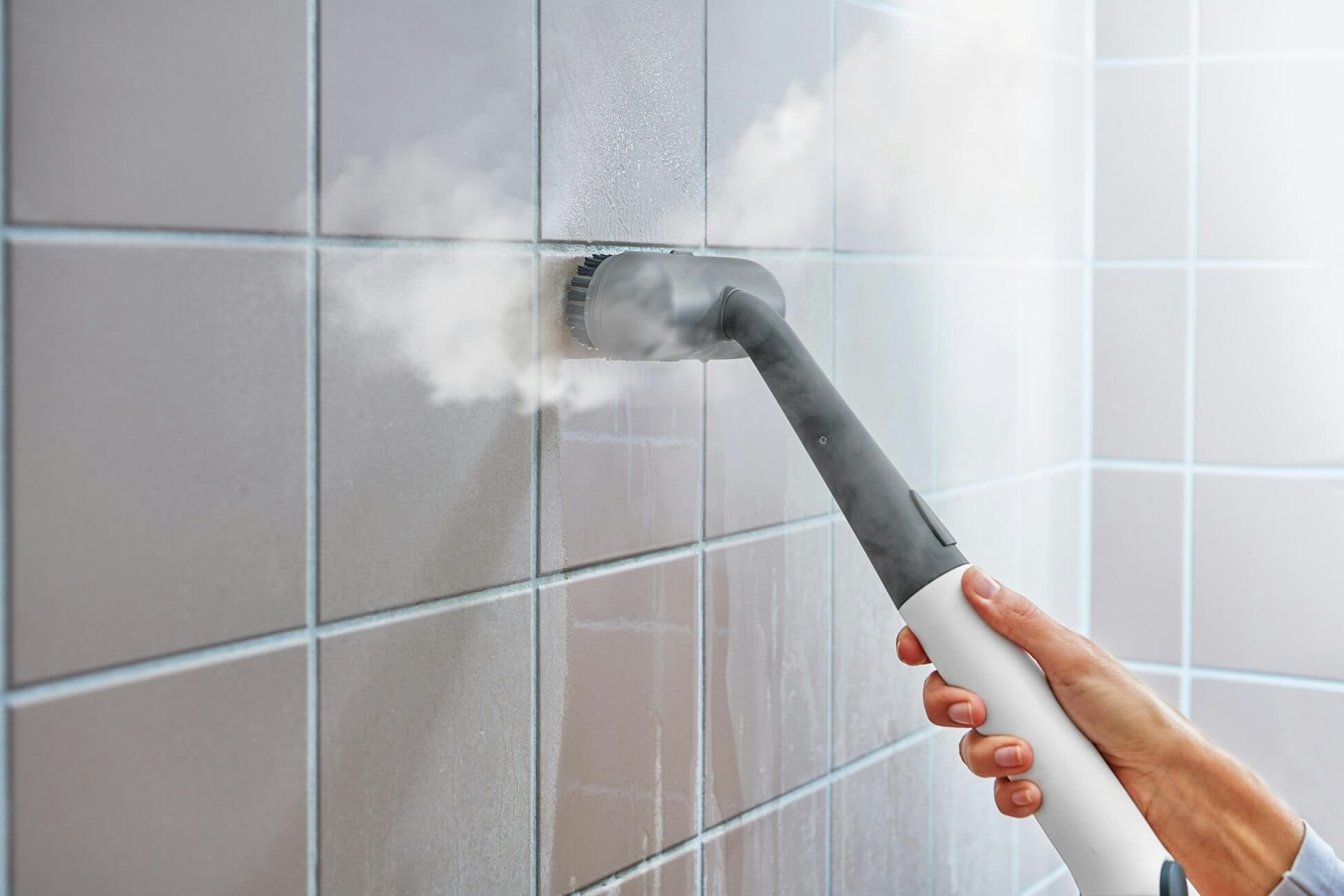
Holiday cooking leaves fat that cools into a film on the stovetop, the range hood filter and the inside of the oven door glass. Fit a nylon brush tip, work a small patch for a few seconds, and wipe the softened grease away with a microfiber cloth before it cools and sets again. The glass edges and the ridges around the knobs are where a brush tip and steam reach best.
Black, carbonized spills are another matter. Steam softens the top layer, but the rest still needs a scraper or an oven cleaner. Wait until the oven and burners are completely cool, and read the range manual before steaming near the controls, since moisture that gets behind a touch panel can cause trouble.
Sticky spots on cabinets, the fridge and the high chair
Cranberry sauce, syrup and spilled punch dry into a tacky film that a damp sponge mostly smears around. Steam dissolves sugar residue quickly, which makes a handheld steam cleaner the right tool for cabinet pulls, the folds of a fridge door gasket and the crevices of a high chair tray where juice and crumbs collect.
Keep the steam on the hardware and off the cabinet doors themselves. Painted fronts, wood veneer and thermofoil or laminate doors can blister, lift or peel when hot moisture works into their edges, so wipe those with a cloth instead. On the fridge, pull each gasket fold open, steam it, and dry it right away so mildew has nothing to grow on.
Floors and entryways after the crowd
Kitchen tile and the grout between it
Spilled gravy and a day of footsteps around the stove press grime into grout, which is porous and sits below the tile surface where a mop barely touches it. A steam mop covers the tile itself; for the grout, a jet nozzle with a small brush lifts the dirt line by line, and the difference usually shows after a pass or two.
Check your floor before any of this. Most makers of hardwood, laminate and vinyl plank flooring warn against steam, because heat and moisture can push into the seams and swell or loosen the boards, and using it may affect the warranty. Sealed ceramic and porcelain tile with intact grout are the safest surfaces; for natural stone such as marble or travertine, check the stone and sealer maker's care advice first, because heat and moisture can wear down sealers. After a deep clean is also a good moment to see whether the grout needs resealing.
Salt and slush marks inside the front door
In colder parts of the country, boots carry road salt indoors, where it dries into white rings on entry rugs and carpet. Steam dissolves the salt crust and loosens tracked-in grit, after which a dry towel or a wet-dry vacuum pulls the residue up. This makes sense for the doormat zone or a hall runner, not wall-to-wall carpet.
Know which machine you're holding. A vapor steam cleaner on carpet only treats the surface. Most machines sold as carpet "steam cleaners" are hot-water extractors that spray water and solution and suck it back out, and those are the tools for a whole room. With wool rugs, check the label or the rug maker's advice first, since heat combined with rubbing can felt or shrink wool fibers.
Fabric: candle wax and the living room couch
Candle wax on tablecloths and rugs
Scrubbing dripped wax only works it deeper into the weave, which is why heat that melts it out helps here. Scrape off what lifts with a dull knife, press a folded paper towel against the spot, and steam from the back of the fabric or right beside the wax so it melts into the paper; swap towels as they fill. Cotton and polyester tablecloths take this well.
Colored candles add a step, because the wax comes out but the dye can leave a tint that needs a stain remover and a wash afterward. Read the care label and test a hidden corner before steaming a runner or rug, as some synthetics and rayon blends don't tolerate heat.
The couch after a houseful of guests
A steam cleaner on a couch helps with sticky armrests, crumbs pressed into seams and the stale smell upholstery picks up over a long weekend of company. Wrap the upholstery tool in a microfiber bonnet, keep it moving so the cushion foam doesn't soak through, and let the couch dry with a fan running before anyone sits on it.
Find the cleaning code tag first. Many upholstered pieces sold in the US carry one, though the tag is voluntary and older or imported furniture may have none: W means water-based cleaning is fine, S means solvent only, W/S allows either, and X means vacuum only. Steam belongs only on W or W/S fabric, and only if the maker's care advice doesn't rule it out. Leave dried milk, egg or blood alone too, since heat can set protein stains for good; cold water and an enzyme cleaner work better on those.
Steam loosens the dirt, and a cloth takes it away
Every job above goes better with a stack of clean microfiber cloths within reach, because grime that softens and isn't wiped up resettles as it cools. A few habits protect both the machine and your things on any surface:
- Let the unit reach full heat before the first pass; most models spit hot water until they're ready, and that water streaks glass and soaks fabric.
- Fill it with the water the manual calls for, since many makers recommend distilled water in hard-water areas to slow mineral buildup.
- Test any finish you're unsure of in a hidden spot and let it dry fully before judging the result.
- Keep the nozzle away from hands, children, pets, outlets and electronics, because the steam at the tip is hot enough to scald.
If you're still choosing a machine, match it to the messes you actually have: a handheld steam cleaner covers the kitchen jobs and small upholstery spots, a steam mop belongs on sealed tile or other floors the flooring maker approves for steam, and a canister-style household steam cleaner with a hose and attachments does both, at the cost of more closet space.
Relevant products

Kärcher Gartenpumpe BP 6.000 Garden Set
Kärcher Akkusauger BVL 5/1 Bp
Kärcher Gartenpumpe BP 4.500 Garden
Kärcher Schmutzwasser-Tauchpumpe SP 22.000 Dirt Level Sensor
Kärcher Schmutzwasser-Tauchpumpe SP 11.000 Dirt
Kärcher Flachsaugende Tauchpumpe SP 9.000 Flat
Kärcher Schmutzwasser-Tauchpumpe SP 22.000 Flood Box
Kärcher Filterset Allergy Solution
Kärcher Flachsaugende Schmutzwasser-Tauchpumpe SP 16.000 Dual
Kärcher CVH HEPA-Filter Set
Kärcher Fasshahn, 200 l
Kärcher Sauglippen, Ölfest, geriffelt, 790 mm
Kärcher Akku-Nass-/Trockensauger WD 2-18
Kärcher Flachsaugende Tauchpumpe SP 17.000 Flat Level Sensor
Kärcher Treppenreinigungsmaschine BD 17/5 C Ep
Kärcher Schmutzwasser-Tauchpumpe SP 9.500 Dirt
Kärcher Teppichbodenreinigungs-Set mit Bodendüse 240 mm für Puzzi
Kärcher Schnellladegerät Duo Battery Power 4 V
Kärcher Scheuersaugmaschine BR 30/4 C Bp Pack 36/75